
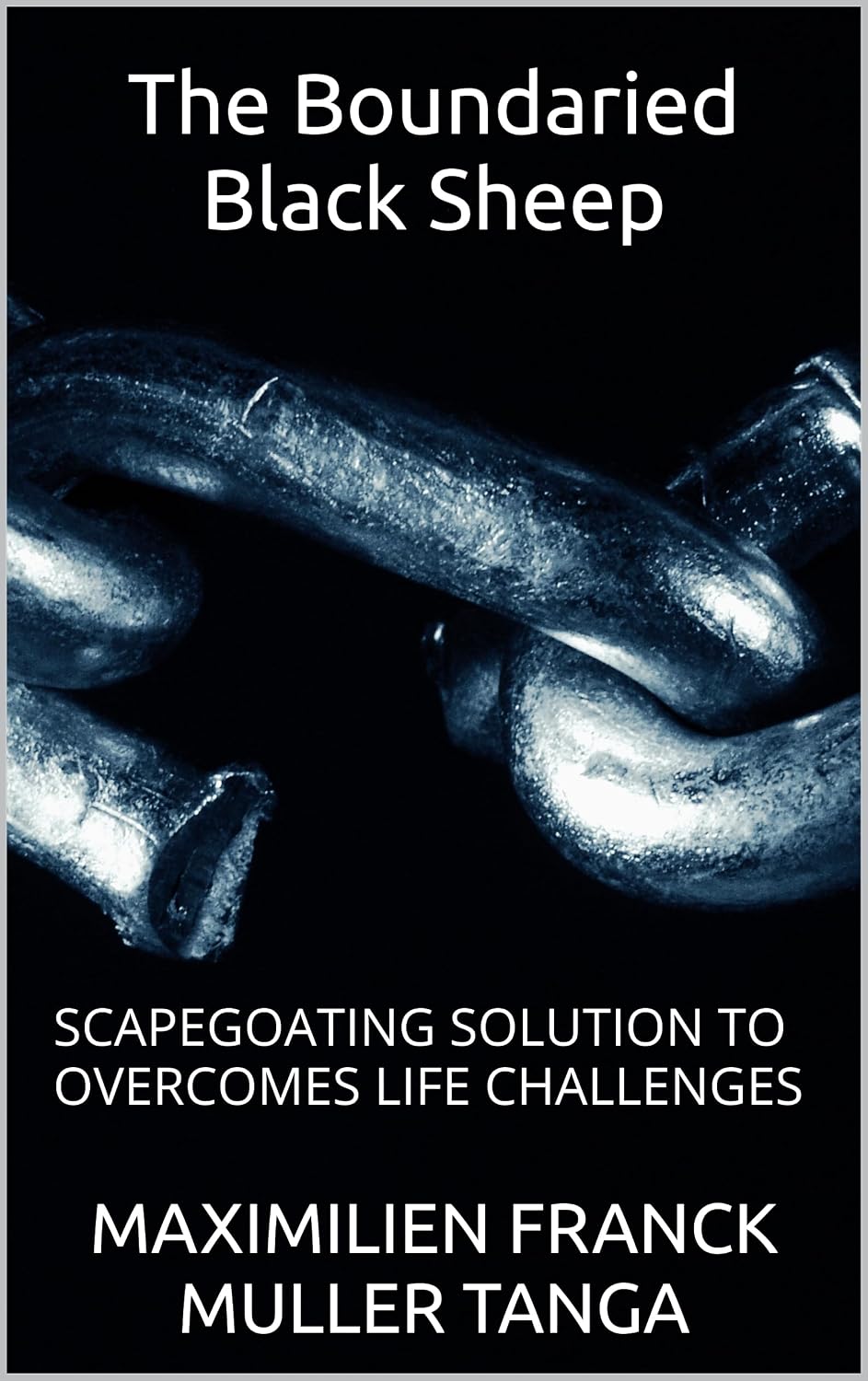
The Boundaried Black Sheep: SCAPEGOATING SOLUTION TO OVERCOMES LIFE CHALLENGES
Product details
| Management number | 233439764 | Release Date | 2026/06/27 | List Price | US$90.00 | Model Number | 233439764 | ||
|---|---|---|---|---|---|---|---|---|---|
| Category | |||||||||
The "black sheep" generally refers to someone who is different, unconventional, or who doesn't conform to the norms or expectations of their family or group. The experience of being labeled as the "black sheep" of a family or group, often due to perceived differences or challenging behaviors, and the resulting negative impact on mental health and well-being. This can be particularly painful when the family or group dynamics are dysfunctional, and the black sheep is scapegoated for the group's problemsThe black sheep is a member of their own group (ingroup) always treated harshly than disliked members of an outgroup. Conversely, likable ingroup members are often favored over similar outgroup members. This effect is driven by the desire to maintain a social power and false positive identity and self-esteem by attracting the group.Shame and self-blame: The black sheep may internalize the blame and shame associated with being different or speaking out, leading to low self-esteem and self-criticismExhibit emotional intensity or sensitivity: Some individuals may be labeled as the black sheep simply because they are more expressive or have different emotional needSpeak out about abuse or dysfunction: Those who call attention to unhealthy behaviors or power imbalances within the family dynamic are often ostracized and blamedChallenge the status quo: Individuals who deviate from family expectations or traditions may be labeled as problematicEstablish healthy boundaries: Protect yourself by limiting contact with those who are consistently negative or hurtful.Reframe the narrative: Challenge the negative labels and beliefs imposed on you, and focus on your strengths and positive qualitiesRecognize you are not to blame: Remind yourself that the dysfunctional dynamics of your family or group are not your faultValidate your truth: Remind yourself that you know your own experiences and don't need to convince others of your realityMental health challenges: The emotional distress associated with being the black sheep can contribute to anxiety, depression, and other mental health conditionsDifficulty with relationships: Black sheep may struggle with attachment issues, trust, and maintaining healthy relationships due to past rejection and isolation.Interpersonal relationships or conversations aren’t contests to see who can win, with a healthy conversation to an exploration of facts and that could only take place with truly open-minded people. Defensive people can’t have healthy conversations. Read more
| ASIN | B0FJZ38CR5 |
|---|---|
| XRay | Not Enabled |
| Edition | 1234567890th |
| Language | English |
| File size | 2.3 MB |
| Page Flip | Enabled |
| Word Wise | Enabled |
| Print length | 126 pages |
| Accessibility | Learn more |
| Screen Reader | Supported |
| Publication date | July 27, 2025 |
| Enhanced typesetting | Enabled |
Bestseller ranking
Robes


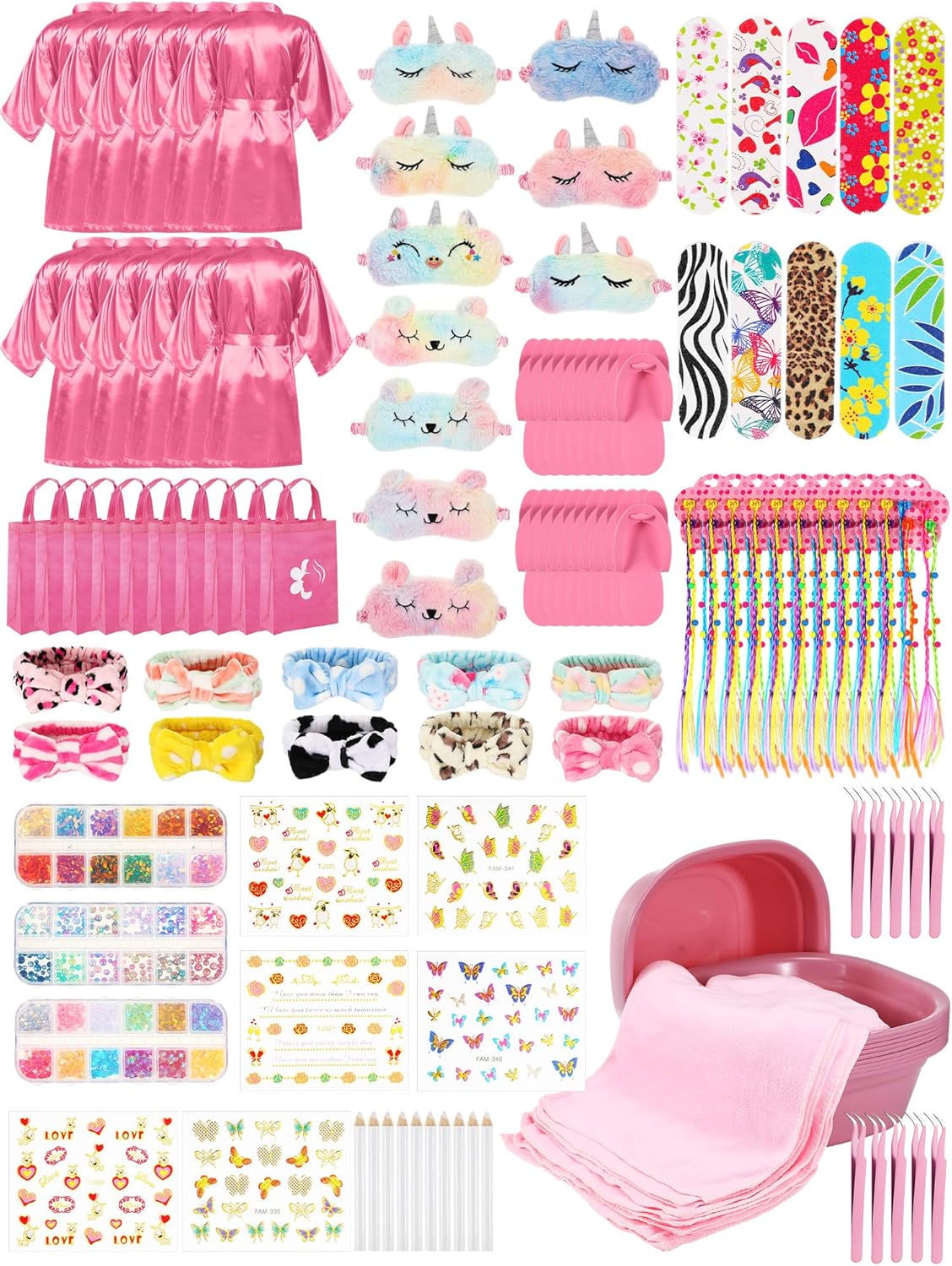


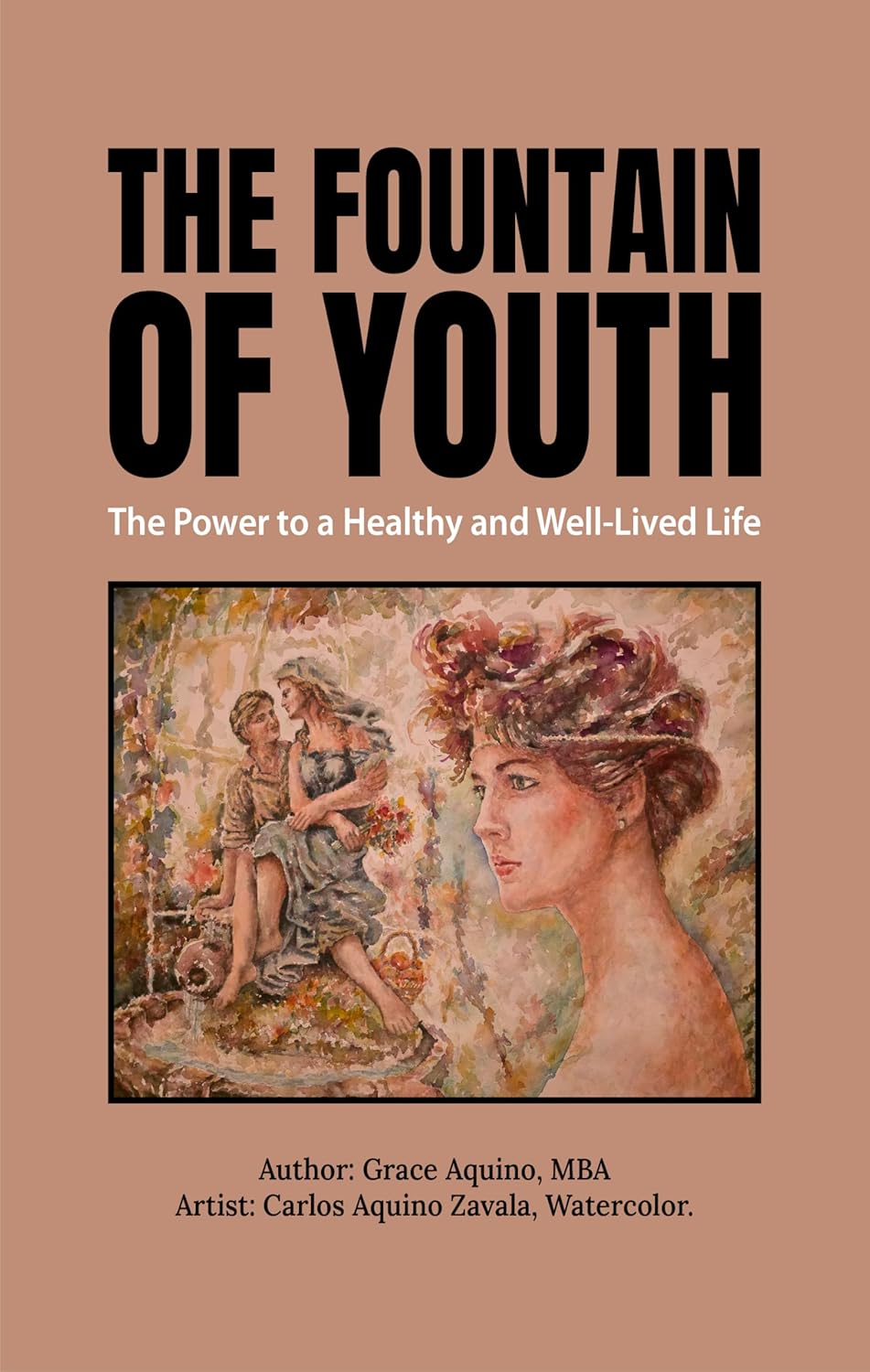
Customers who viewed this product also viewed
Personal Transformation


Correction of product information
If you notice any omissions or errors in the product information on this page, please use the correction request form below.
Correction Request Form